

Rotational molding, also referred to as rotomolding, is becoming an increasingly preferred technique in the parts manufacturing industry. Noted for making tough, top quality empty services and products, this technique offers significant advantages around different Rotational Molding techniques. Their versatility, performance, and cost-effectiveness make it a practical alternative for producers across a wide range of industries, including automotive, agriculture, structure, and customer goods.
Style Freedom and Complicated Designs
One of the very most fascinating benefits of rotational molding is the look flexibility it offers. The process permits the development of very complicated and comprehensive styles without the necessity for numerous areas or joints. That enables suppliers to incorporate characteristics like undercuts, dual surfaces, threads, and positions into the design. As a result, services and products come from the mold prepared to utilize, lowering the necessity for extra construction or bonding. For customized or intricate components, rotational molding offers unparalleled flexibility.
Toughness and Easy Structure
Rotational molding provides seamless, single-piece items that are inherently solid and very durable. Because the method assures an even distribution of substance, the last products have consistent wall width and structural integrity. The lack of bones or welds removes potential weak points, creating the merchandise more resistant to tension, affect, and environmental exposure. This is specially beneficial for applications that need energy and long-term performance, such as for example storage tanks, pots, and outdoor equipment.
Cost-Effective Tooling and Reduced Preservation
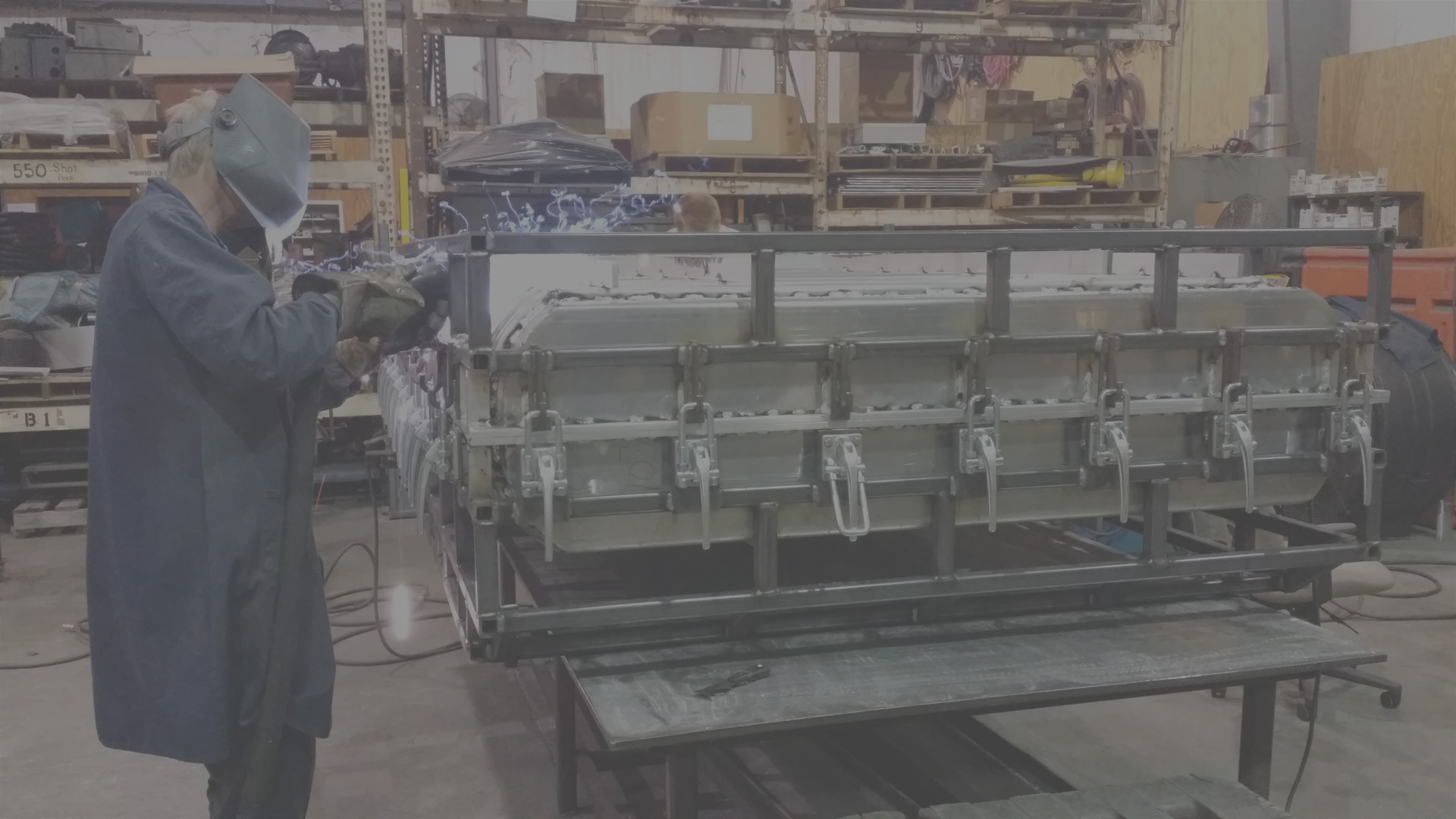
Compared to different molding practices, rotomolding requires less expensive tooling. The conforms are normally created from metal and aren't subjected to high demands all through manufacturing, which means they knowledge less use and require little maintenance. That makes rotational molding particularly cost-effective for short to medium manufacturing goes and for products that demand style customization. Lower tooling expense and longer form lifetime contribute to decreased over all production costs.
Successful and Reliable Generation
Rotational molding can also be praised for its stability and repeatability. The method permits limited control over product distribution, heat, and chilling rounds, leading to standard and supreme quality parts. The slower production pace guarantees detail, while the capability to use a wide selection of materials—including UV-stabilized and food-grade plastics—contributes to its versatility. Furthermore, the strategy produces little scrap, contributing to solution and more efficient operations.
Eco-Friendly Manufacturing Process
From an environmental point of view, rotational molding is really a low-waste and energy-efficient process. Because it does not require high force or large quantities of excess material, producers may considerably minimize plastic waste. Moreover, several rotomolding procedures use recyclable products and focus on sustainable practices, aligning with modern requirements for responsible manufacturing.
Realization
Rotational molding stands out as a contemporary, flexible, and cost-efficient manufacturing technique. With its capacity to create tough, smooth, and complicated parts while sustaining low tooling prices and small waste, it remains a go-to alternative for all industries. For companies seeking trustworthy efficiency and value, rotational molding offers both development and practicality in one successful process.